

Why more homeowners are choosing to invest in quality now, not later
At Lazenby, we speak to homeowners every single day who are weighing up the same question: is now the right time to invest in their home? More often than not, the answer they arrive at is yes — and the reasons behind that decision tell us a lot about how people are thinking about their homes, their money, and their futures.
The cost of waiting
Labour and materials have both climbed steadily in recent years, and there's little reason to think that trend will reverse. What we're seeing is a growing number of homeowners deciding that the sensible move is to act now rather than wait. A renovation that feels like a stretch today could well be out of reach in five years' time. If you know you're going to want that beautiful, durable floor eventually, the maths increasingly favours doing it now — and enjoying it for the next 40 years – rather than delaying and paying considerably more for the privilege later.

One chance to get it right: why flooring and kitchens come first
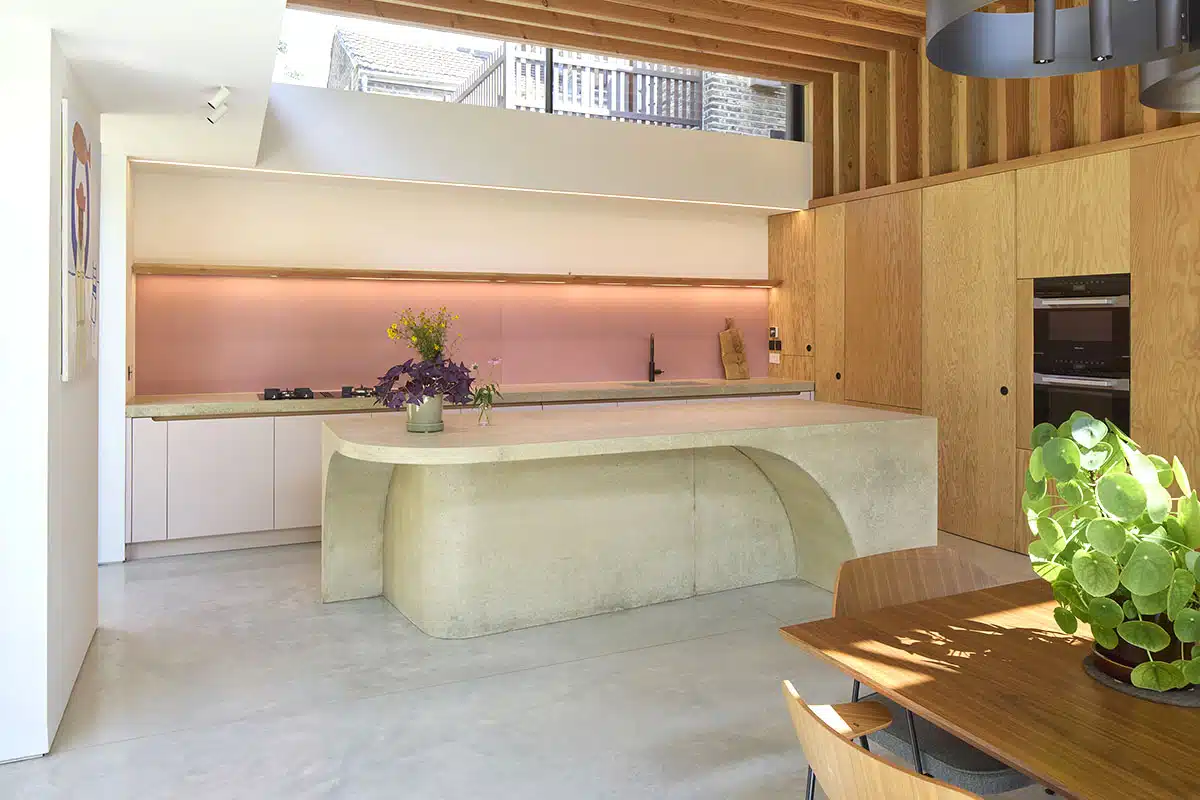
A home renovation is rarely a small undertaking. It asks a lot of your time, your patience, and your budget. Because of that, most people quite reasonably want to do it once, and do it properly. That mindset shows up clearly in where people choose to spend. Kitchens and flooring, the two elements that underpin daily life at home, are consistently where homeowners are prepared to invest a little more.
It's not about extravagance – it's about recognising that these are the surfaces and spaces you'll touch, stand on, and live with every single day. Choosing something high quality and genuinely durable in these areas isn't an indulgence, it's a long-term saving. A floor that lasts decades without needing to be replaced, repaired, or refinished pays for itself many times over.
It's not about extravagance – it's about recognising that these are the surfaces and spaces you'll touch, stand on, and live with every single day. Choosing something high quality and genuinely durable in these areas isn't an indulgence, it's a long-term saving. A floor that lasts decades without needing to be replaced, repaired, or refinished pays for itself many times over.
Energy efficiency: how polished concrete and underfloor heating work together
Rising energy prices have understandably pushed efficiency to the top of many homeowners' priority lists. Just as triple glazing asks for a larger upfront investment in exchange for years of reduced heating bills, polished concrete flooring works on exactly the same principle — only it goes a step further when paired with underfloor heating.
Underfloor heating runs at much lower water temperatures than a radiator system, typically 35-45°C compared to 65-75°C. That alone makes it significantly more efficient.
Up to 40% more efficient than a standard radiator system when underfloor heating is paired with a heat pump, and generally around 25% more efficient even with a conventional boiler.
Concrete is what makes that efficiency possible in the first place. Its high thermal mass allows it to absorb heat, store it, and release it slowly and evenly across the whole room, rather than in the short bursts you get from a radiator. And because a polished concrete floor has no covering on top of it, no tiles, no wood, no carpet, there's no thermal bridging to get in the way, so the heat that's generated reaches the room far more directly.
The practical effect is a floor that warms objects and people directly rather than just the air around them. Many homeowners find they can comfortably run their thermostat a couple of degrees lower than they would with conventional heating, without noticing any drop in comfort. The result is a home that heats more evenly, holds its warmth for longer, and costs less to run. It's an upfront investment that quietly keeps paying you back, bill after bill.
Sources: Nu-Heat; The Floor Heating Warehouse; Wunda Group.
Underfloor heating runs at much lower water temperatures than a radiator system, typically 35-45°C compared to 65-75°C. That alone makes it significantly more efficient.
Up to 40% more efficient than a standard radiator system when underfloor heating is paired with a heat pump, and generally around 25% more efficient even with a conventional boiler.
Concrete is what makes that efficiency possible in the first place. Its high thermal mass allows it to absorb heat, store it, and release it slowly and evenly across the whole room, rather than in the short bursts you get from a radiator. And because a polished concrete floor has no covering on top of it, no tiles, no wood, no carpet, there's no thermal bridging to get in the way, so the heat that's generated reaches the room far more directly.
The practical effect is a floor that warms objects and people directly rather than just the air around them. Many homeowners find they can comfortably run their thermostat a couple of degrees lower than they would with conventional heating, without noticing any drop in comfort. The result is a home that heats more evenly, holds its warmth for longer, and costs less to run. It's an upfront investment that quietly keeps paying you back, bill after bill.
Sources: Nu-Heat; The Floor Heating Warehouse; Wunda Group.


Why homeowners are choosing to refurbish rather than move
The cost of moving home now often rivals the cost of a substantial renovation, and the more valuable the property, the steeper that cost becomes.
For a £1,000,000 home, total moving costs, stamp duty, agent fees, solicitors, surveys, mortgage charges and removals combined, typically add up to £63,000-£67,000 or more. That's before you've even accounted for whether the new house would truly have everything you want.
It's little wonder that so many homeowners are choosing instead to reinvest in the property they already have. Refurbishing means you get to shape a home around exactly how you live, rather than compromising on someone else's floor plan or finishes. And when the improvements you make are things like a polished concrete floor, built to look as good in twenty years as it does today, that investment doesn't just improve your home for the time being — it becomes part of the long-term value of the property itself.
Sources: HomeOwners Alliance, 2026 Cost of Moving data; Fox Davidson and CalcIt, 2026 UK Stamp Duty Land Tax bands.
For a £1,000,000 home, total moving costs, stamp duty, agent fees, solicitors, surveys, mortgage charges and removals combined, typically add up to £63,000-£67,000 or more. That's before you've even accounted for whether the new house would truly have everything you want.
It's little wonder that so many homeowners are choosing instead to reinvest in the property they already have. Refurbishing means you get to shape a home around exactly how you live, rather than compromising on someone else's floor plan or finishes. And when the improvements you make are things like a polished concrete floor, built to look as good in twenty years as it does today, that investment doesn't just improve your home for the time being — it becomes part of the long-term value of the property itself.
Sources: HomeOwners Alliance, 2026 Cost of Moving data; Fox Davidson and CalcIt, 2026 UK Stamp Duty Land Tax bands.
An investment, not just an expense
Every one of these decisions, holding off on moving, prioritising flooring and kitchens, choosing energy-efficient solutions, comes down to the same underlying shift in thinking. Homeowners aren't just spending on their homes anymore; they're investing in them. A polished concrete floor sits right at the heart of that shift: durable enough to last a lifetime, efficient enough to lower your bills, and beautiful enough to make the investment feel worthwhile every single day you walk across it.

If you're weighing up your next home improvement project, get in touch with the Lazenby team for a free consultation, or browse our project gallery to see how polished concrete flooring has transformed homes like yours.
Book a consultation
VISIT OUR PORTFOLIO ON INSTAGRAM